
Home › Massachusetts
A Massachusetts Homeowner's Guide to Garage Door Repair, Replacement and Openers
We take garage door requests from three parts of the state: Greater Lowell; Andover, Lawrence and Haverhill; and Woburn, Reading and Melrose. State law decides who may do the work and what the contract must say, the local building department decides on permits, and federal rules set the safety features every modern opener needs. Phone (978) 330-1721 or use the form. A person reads every request and replies with what happens next.
- No cost to you
- Massachusetts rules in plain words
- Lowell to Melrose
Ask About Garage Door Service in Your Area
Tell us about the garage and the door problem. A garage door company that works nearby will phone you.
Please add your name, a 10-digit phone number and a valid email.
Your request didn't go through on our end. Please call (978) 330-1721 so it isn't lost.
Too many requests have come from this connection in a short time. Please call (978) 330-1721 and we'll take it from there.
We couldn't finish the spam check. Wait a moment and send it again, or call (978) 330-1721.
Where we work
Our Massachusetts towns
One building code covers the whole state, but each city and town runs its own building department, and how a garage door job is handled can differ from one office to the next. A town page, where we have one, describes that department, what it asks for before an opening is changed, and the garages typical of the town. Towns without a page yet are still covered, and requests from them are welcome.
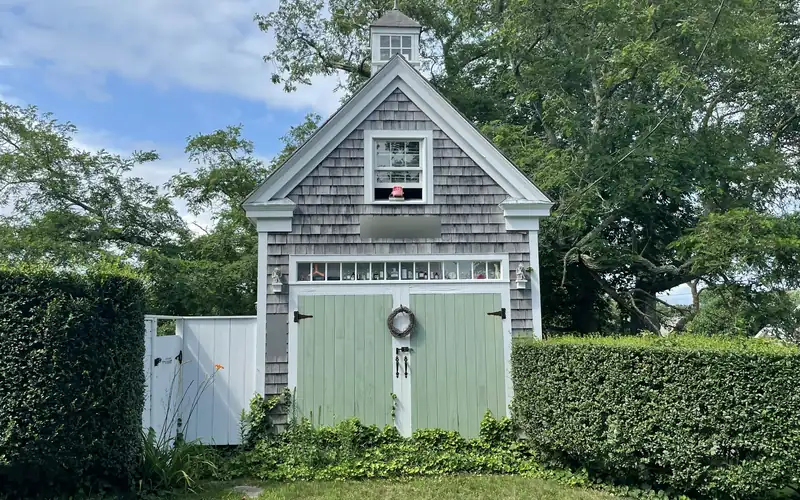
Greater Lowell
Andover, Lawrence & Haverhill
Woburn, Reading & Melrose
Massachusetts law
Registration, contracts, permits and supervisors
Who must register. A company that will "solicit, bid on, or perform" contracting work on an existing owner-occupied home with one to four units needs a Massachusetts Home Improvement Contractor registration (OCABR contractor resources). The statute covers repair, renovation, improvement and removal work on such a home and on structures next to it; it never names garage doors, but replacing or repairing one is that kind of work (M.G.L. c.142A §1). New construction, buildings with more than four units, and investment, vacation or second homes are not covered, and some part-time and small jobs under $500 are exempt (OCABR homeowner resources). Licensed trades working within their license, such as electricians, and owners working on their own homes are also exempt (201 CMR 18.01). Check a company on the state's Contractor Hub search.
What the contract says. A home improvement agreement above $1,000 has to be in writing and must show the contractor's registration number, the start date and the date of substantial completion, a description of the work and materials, the total price, the payment schedule, both signatures and the notices the law requires (M.G.L. c.142A §2).
Deposits and cancelling. The advance deposit may not exceed the greater of a third of the contract price or the actual cost of special-order or custom-made materials, so a door built to your specifications is the usual reason a deposit runs higher. If you sign somewhere other than the seller's place of business, you may cancel until midnight of the third business day after signing (M.G.L. c.93 §48).
If something goes wrong. The Guaranty Fund can repay up to $25,000 of actual losses (figure as of November 2026) when a registered contractor fails to pay what it owes you. Hire an unregistered contractor and you cannot apply to the fund. One of the conditions for state arbitration is that your contractor pulled the building permit, and the statute leaves homeowners who pull their own permits out of the fund (OCABR; c.142A §2).
No garage door row on the permit chart. OCABR's chart of jobs, registrations, supervisor licenses and permits has no line for garage doors or openers. The rows closest to garage door work are door replacement (HIC yes, supervisor license yes, permit "maybe," with a permit required "if an exit door or for public safety concerns"), door installation and structural carpentry (yes to all three), and wiring, which is "by licensed trades, as required by law." The state says the chart is general guidance only and encourages owners to consult the building official (HIC contractor resources). Practically, ask your building department before a like-for-like swap, and expect a permit when an opening is cut or widened.
Supervisors and the code. On one- and two-family homes, construction must be overseen by a licensed construction supervisor or a registered design professional (state guidance on supervisor licenses). Homeowners doing permitted work on their own houses are exempt from that licensing (780 CMR 110.R5). Supervisor licenses can be checked on the state verification site. The 10th edition residential code, the 2021 IRC with Massachusetts amendments, took effect October 11, 2024 and has been the only residential code since July 1, 2025 (state building code page; 780 CMR Chapter 1). It makes it unlawful to alter or repair a structure without any required permit, yet says ordinary repairs need no application to the building official, without defining "ordinary repairs" (780 CMR R105).
Last verified November 2026. Fees, restrictions and deadlines on this page are due for re-checking by November 2027.
Openers and safety
Opener wiring, federal safety rules and broken springs
Electrical work for openers. Under state law, no person or company may engage in the business of installing wires, devices or fixtures without a license from the state examiners of electricians (M.G.L. c.141 §1A). If the opener needs a new ceiling receptacle or circuit, plan on a Massachusetts-licensed electrician. The current electrical code, 527 CMR 12.00, based on the 2026 NEC, took effect April 24, 2026 (Massachusetts Electrical Code); it issues the electrical permit to the person or company named on the application and bars covering wiring before it is inspected (527 CMR 12.00). Electrician licenses can be checked through the state's occupational license lookup.
What every modern opener must do. The federal standard covers residential garage door operators made on or after January 1, 1993 for sale in the United States. A closing door has to begin reversing within 2 seconds of contact with an obstruction and go back to fully open, and the opener needs secondary entrapment protection such as an external photoelectric sensor or an edge sensor on the door. The opener checks that device on every close; if it is missing or faulty, the door will not close more than a foot below fully open (16 CFR Part 1211).
The warning label and the monthly test. The label required next to the wall control warns that a child can be trapped under an automatic door, tells you not to let children operate the controls or walk or run under a closing door, and calls for a monthly test with a 1½-inch-thick object on the floor; if the door doesn't reverse, the opener is to be adjusted, repaired or replaced. Sectional doors carry a second label saying the opener and door work as a system and that replacement door or hardware must match the original maker and model to keep it safe (16 CFR 1211.17).
CPSC advice for families. The Consumer Product Safety Commission suggests looking over the door and opener every 30 days and using a 2x4 on the floor for the reversal test, disengaging an opener that fails until it's fixed. It also says to keep remotes away from children, mount the wall button as high as practical, and set photo-eyes 4 to 6 inches above the floor. A door that is out of balance, binds or sticks "should be serviced by a professional" (CPSC Pub. 523), so leave the springs, cables and tracks to a trained technician.
What we refer
Garage door jobs, explained for Massachusetts homeowners
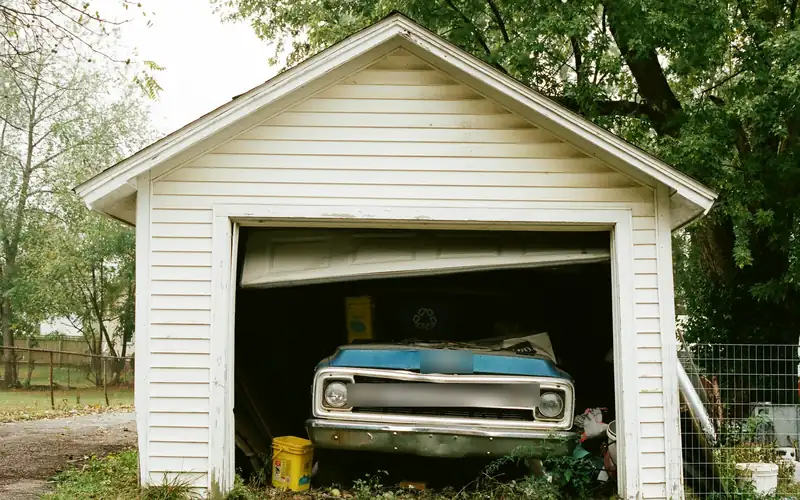
Garage Door Repair
Doors that stick, sag, jump the track or will not close, plus dented panels, rollers and weather seals.
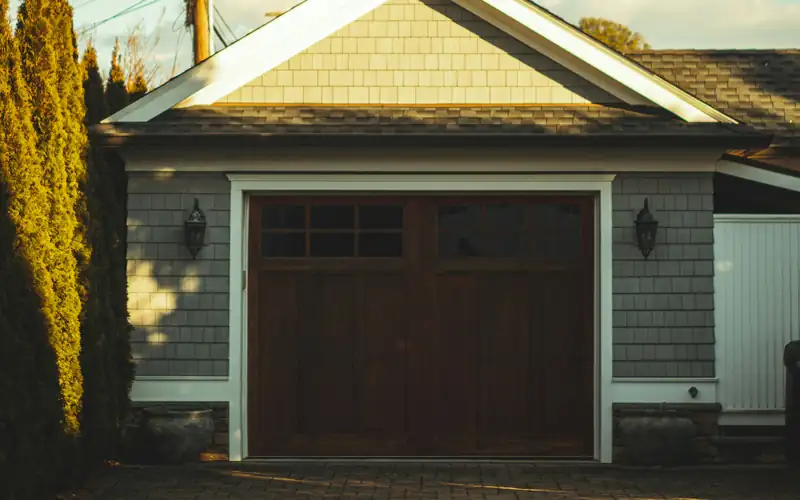
New Garage Doors
Steel, wood-look and insulated doors swapped into existing openings, with the permits a new opening may need.
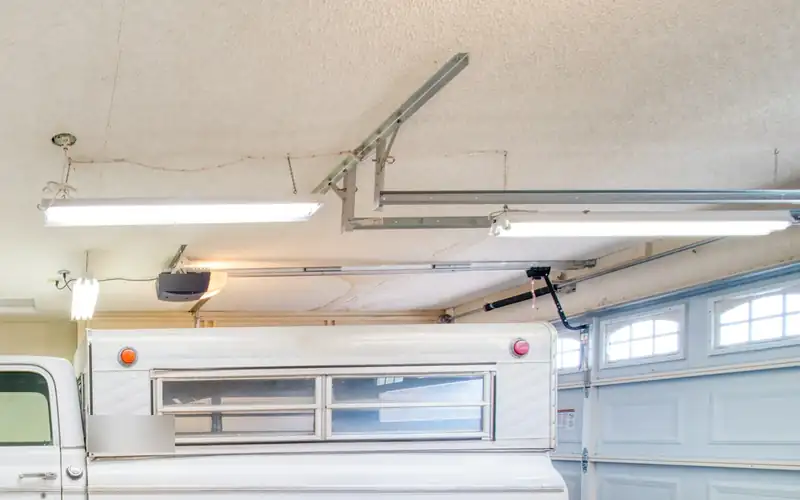
Openers
New or replacement openers, with the auto-reverse and entrapment protection federal rules require, plus keypads and remotes.

Springs & Cables
Broken torsion or extension springs and frayed lift cables, a job for a trained technician, not a homeowner.
FAQ
Common Massachusetts garage door questions
Does replacing a garage door need a building permit in Massachusetts?
The state's contractor chart has no garage door row. Door replacement, its nearest row, is marked "maybe" for a permit, while installing a new door and structural carpentry are marked yes. The chart is general guidance, so ask your local building department before the work, and expect a permit if an opening is being cut or widened.
How much can a garage door company ask for up front?
For a registered contractor on an owner-occupied home with one to four units, the deposit is capped at a third of the contract price, unless the actual cost of special-order or custom-made materials is higher. Any job over $1,000 needs a written contract.
Who can install the outlet for a new opener?
Massachusetts law limits the business of installing wiring to licensed electricians, so plan on a Massachusetts-licensed electrician for a new ceiling outlet or circuit for an opener; the wiring permit is issued to whoever is named on the application. Wiring cannot be covered up until it has been inspected.
How do I know my opener still reverses properly?
The federal warning label next to the wall control calls for a monthly test with a 1½-inch-thick object on the floor under the closing door, and the CPSC suggests a 2x4 on the floor. If the door does not reverse when it touches the object, stop using the opener until it is adjusted, repaired or replaced.
Do I pay anything to New England Garage Door Pros?
No. Sending a request and getting a referral cost you nothing; the garage door company prices the job.